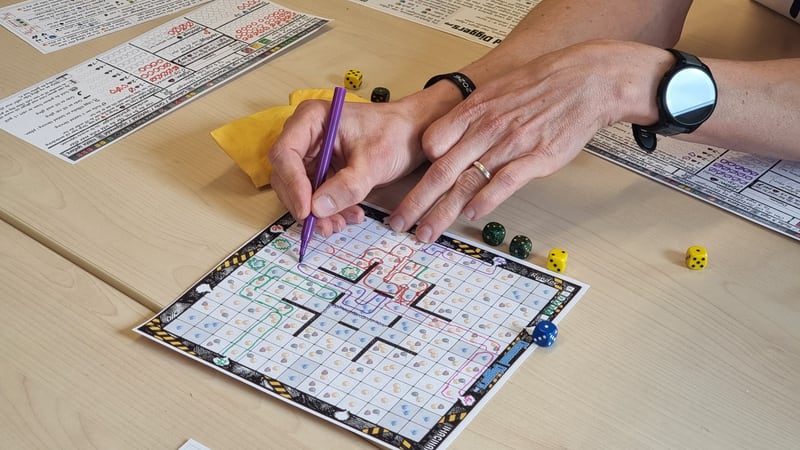
After months of designing, playtesting, and iterating, Diamond Diggers is finally complete! This board game journey has been one of the most rewarding creative experiences I've had, and I'm excited to share the entire process with you.
The Initial Concept
The idea for Diamond Diggers came to me during a mining museum visit. I was fascinated by the strategic decisions miners had to make - which tunnels to dig, when to push deeper, when to retreat. I wanted to capture that tension in a competitive board game format.
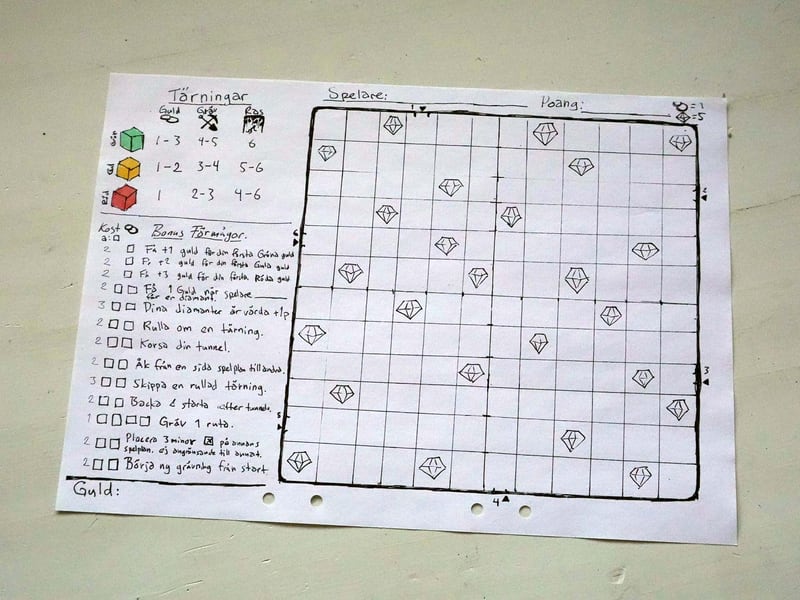
The initial prototype was simple: a grid-based board, resource management, and push-your-luck mechanics. Players would dig into the mine, collecting gems while avoiding hazards. However, the early playtests revealed several issues that needed addressing.
Early Challenges
One of the biggest challenges was balancing luck and strategy. The first version was too random - players felt like they had little control over their fate. I needed to give them more agency without removing the excitement of uncertainty.
The Design Process
Over the next several months, I went through numerous iterations. Each playtest session revealed new insights and prompted changes to the core mechanics.
"The best designs come from listening to your playtesters, even when they can't articulate exactly what's wrong. Watch how they play, notice where they hesitate, see what makes them smile."
Key Design Decisions
- Card-based Actions: Instead of dice rolls, I introduced action cards that players could build a hand from, giving them more control.
- Visible Hazards: Making some dangers visible on the board let players plan their routes strategically.
- Variable Player Powers: Each player gets a unique ability, adding replay value and strategic depth.
- Simultaneous Turns: To reduce downtime, players plan their moves simultaneously, then resolve them in turn order.
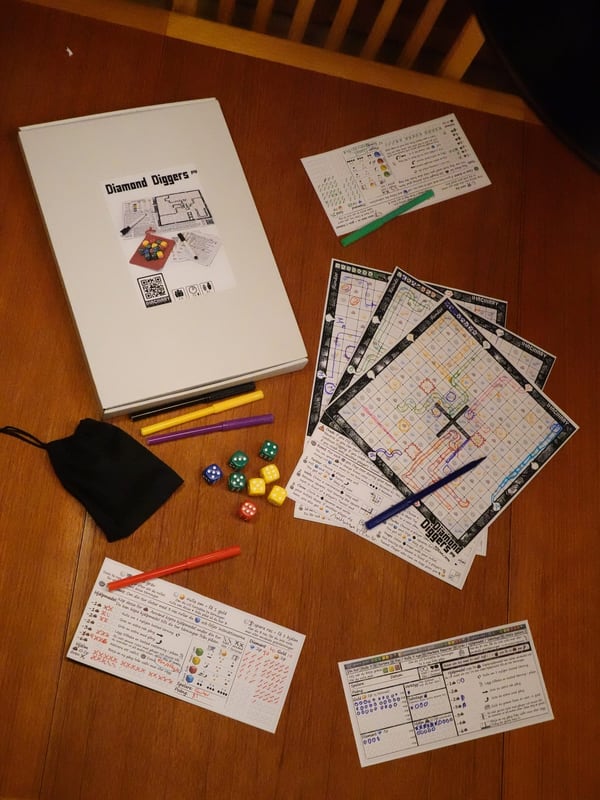
Visual Design
Visual clarity is crucial in board games. Players need to understand the game state at a glance. I worked with several artists to develop a clear iconography system and a color palette that differentiated between gem types while remaining accessible to colorblind players.
The final design uses distinct shapes for each gem type in addition to colors, ensuring everyone can play comfortably.
Playtesting Insights
The playtesting phase taught me more than any design book could. Here are some of the most valuable lessons:
- Test with strangers: Friends and family are too nice. Bring your game to local game cafes and conventions.
- Watch, don't explain: If players can't figure it out from the rulebook, it needs work.
- Track everything: Keep detailed notes on every playtest session. Patterns emerge over time.
- Embrace criticism: Negative feedback is a gift. It shows you exactly what needs fixing.
What Went Right
Looking back, several decisions proved crucial to the game's success:
- The simultaneous action selection kept all players engaged
- The risk-reward balance created exciting moments
- The variable player powers added depth without complexity
- The 30-minute play time hit the sweet spot for casual sessions
What I'd Do Differently
No project is perfect. If I could start over, I would:
- Start playtesting earlier with paper prototypes
- Invest in professional graphic design sooner
- Create digital tools for testing balance (I did most calculations by hand)
- Set up a proper publisher pitch earlier in the process
Advice for Aspiring Designers
If you're thinking about designing your own board game, here's my advice:
Just start. Don't wait for the perfect idea or the perfect time. Make something, even if it's terrible. You'll learn more from one finished (bad) game than from ten perfect games that only exist in your head.
Prototype cheap. Use index cards, borrow components from other games, print on regular paper. The faster you can iterate, the better your final design will be.
Join a community. Find local game designer meetups or online communities. The support and feedback are invaluable.
What's Next
With Diamond Diggers complete, I'm already working on my next design - a cooperative space exploration game. I'm applying all the lessons learned from this project, and I'm excited to see where it leads.
If you want to try Diamond Diggers yourself, you can download the print-and-play version or get the premium edition from the game page. I'd love to hear your thoughts and see photos of your play sessions!
Thanks for reading, and happy gaming! 🎲
Comments
Comments are coming. Until then, feel free to reach out on social media.